
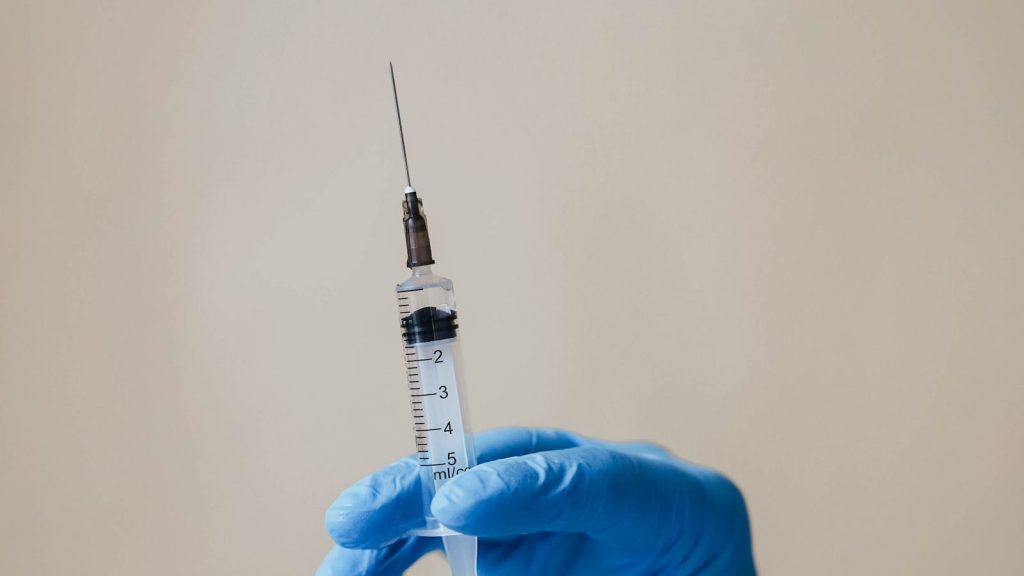
Testosterone replacement therapy is becoming more common among men in Oregon. More clinics are offering it and more men are asking about it. At the same time, there is a lot of mixed information online.
Before starting TRT, it helps to understand what it actually is, who it is for, and what other options may exist.
What TRT Actually Is
Testosterone replacement therapy is a medical treatment used to bring testosterone levels back into a normal range.
It is usually prescribed when blood tests confirm low levels and symptoms are present. It is not a quick fix. It is a long term treatment that should be started with a clear plan and proper follow up.
Who It Is For
TRT is not for every man who feels tired or run down.
It may be appropriate for men who have consistent symptoms, confirmed low testosterone on lab testing, and have ruled out other causes such as poor sleep, stress, or medical conditions.
A proper evaluation is the most important first step.
What to Expect
Men who start TRT often report improvements in energy, mood, strength, and sexual health.
These changes are gradual. Most men notice steady improvement over several weeks to months rather than an immediate effect.
Ongoing lab monitoring and follow up are important to make sure treatment stays safe and effective.
What Helps Before TRT
Not every man needs TRT. In some cases, testosterone levels can improve with targeted changes.
The most effective foundations include consistent sleep, regular exercise, weight management, and reducing alcohol intake.
There are also a few supplements with research supporting their role in testosterone levels:
• Vitamin D, especially in men who are deficient
• Zinc, particularly when levels are low
• Magnesium, which may support free testosterone levels
• Ashwagandha, which has some evidence for improving testosterone and stress response
These are not replacements for medical treatment, but they can be part of a well rounded approach. Consult a medical professional for precise guidance before using.
Getting TRT in Oregon
Men in Oregon have several options for testing and treatment. Some clinics offer in person care, while others provide telehealth with local lab testing and pharmacy options. Our site is designed to help you understand those options. Instead of pushing one path, it breaks down what to look for, what to avoid, and how to choose a clinic that fits your situation.
Bottom Line
Testosterone replacement therapy can be effective for the right person, but it is not the first step for everyone. The best approach starts with understanding your symptoms, getting proper testing, and looking at all available options.
With the right information, it becomes much easier to decide what actually makes sense for you.
Related Reading
• Signs of Low Testosterone in Men
• Best Testosterone Support Supplements for Oregon Men
Important: educational content, not medical advice. Oregon Men’s Health Guide is not a medical practice and nothing on this site should be used to self-diagnose, self-treat, or replace a real consultation with a licensed clinician. We are here to help Oregon men understand the landscape and find the right provider for their situation. Always work with a qualified healthcare professional before making any decisions about your health, supplements, or treatment.
Related reading on Oregon Men’s Health Guide
- Low Testosterone in Oregon: Symptoms, Causes, and What Actually Works
- Top 10 Questions Men Ask About TRT in Oregon
- TRT Side Effects: How to Manage Them
- Natural Ways to Support Testosterone Before TRT
Educational content only, not medical advice. Talk to your clinician before making changes. Some links are affiliate; we may earn a commission at no extra cost to you.