Most men do not gain weight all at once. They gain it slowly across their 30s and 40s.
The frustrating part is that the things that used to work in your 20s, cutting out a few beers, hitting the gym a couple times, skipping breakfast, barely move the needle anymore.
There is a reason for that. Weight loss after 35 follows different rules.
What Changes After 35
A few things shift quietly in the background:
• Testosterone levels gradually drop, roughly one percent per year after 30
• Muscle mass declines unless actively maintained
• Insulin sensitivity decreases, especially with extra belly fat
• Sleep quality drops
• Cortisol from chronic stress is harder to clear
• Recovery from exercise takes longer
None of these are dramatic individually. Together they explain why the same diet that worked at 25 fails at 40.
The Belly Fat Trap
Belly fat is not just storage. It is hormonally active. It converts testosterone into estrogen and pumps out inflammatory signals that further drive weight gain.
This is why men who carry weight around the middle often feel stuck. The fat itself is part of the problem.
Breaking that loop is the real goal for Oregon men over 35, and it is not done by simply eating less.
What Actually Works
The approach that consistently works:
• Protein-focused eating (around one gram per pound of target body weight)
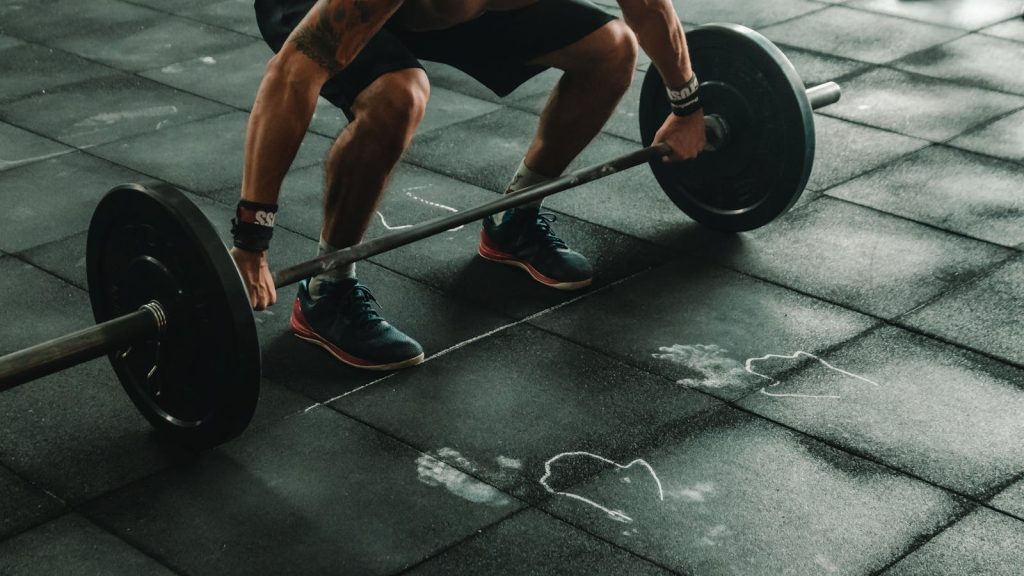
• Strength training two to four times per week
• Walking 7,000 to 10,000 steps daily
• Sleep prioritized as a fat loss tool
• Alcohol kept to a minimum during a fat-loss phase
• Stress managed actively
This is boring. It is also what works. Men who chase shortcuts usually end up back where they started.
The Role of Hormones and Supplements
For some men, hormonal support speeds the process. Testing testosterone, thyroid, and metabolic markers can identify what is in the way.
Some men also benefit from:
• Creatine for strength and recovery [AMAZON AFFILIATE LINK, creatine monohydrate]
• Whey or plant protein to hit daily protein targets [AMAZON AFFILIATE LINK, whey protein]
• Vitamin D, especially in Oregon’s gray months [AMAZON AFFILIATE LINK, vitamin D3]
• Omega-3s for inflammation and recovery [AMAZON AFFILIATE LINK, fish oil]
Telehealth programs and weight loss support can also be useful. [AFFILIATE LINK TO BE ADDED, Hims weight loss]
The Oregon Factor
Long, gray Oregon winters reduce sun, drive lower vitamin D, and pull men into more sedentary patterns. Combine that with comfort eating and the typical winter weight gain becomes predictable.
Planning around it, with daily walks, indoor strength training, and consistent protein, matters more here than in sunnier states.
Bottom Line
Weight loss after 35 is not about willpower. It is about strategy. The men in Oregon who succeed treat it like a project, not a punishment, and they target hormones, sleep, and consistency before they worry about calories. Check out other posts on this site for more on testosterone and metabolic health.
Related Reading
• The Hormone–Belly Fat Connection
• A Sustainable Weight Loss Plan for Busy Oregon Men
Important: educational content, not medical advice. Oregon Men’s Health Guide is not a medical practice and nothing on this site should be used to self-diagnose, self-treat, or replace a real consultation with a licensed clinician. We are here to help Oregon men understand the landscape and find the right provider for their situation. Always work with a qualified healthcare professional before making any decisions about your health, supplements, or treatment.
Related reading on Oregon Men’s Health Guide
- The Hormone–Belly Fat Connection
- Building a Sustainable Weight Loss Plan
- Heart Health Basics for Oregon Men
- Low Testosterone in Oregon: Symptoms, Causes, and What Actually Works
Educational content only, not medical advice. Talk to your clinician before making changes. Some links are affiliate; we may earn a commission at no extra cost to you.